Engagement by Design: A Simple Strategy for Corporate Event Planners

Corporate events often carry a lot of weight. They’re expected to deliver clear business outcomes, keep attention high, and create meaningful moments for a wide range of attendees. When engagement is treated as an afterthought, events can quickly feel long, unfocused, or overwhelming. When it’s built into the strategy from the very beginning, planning becomes more focused and the experience more impactful. 

A trusted event management and production partner brings strategic expertise to this process, helping translate business goals into environments, moments, and experiences that resonate with attendees. At the same time, when corporate event planners understand the fundamentals of event strategy, collaboration becomes smoother, decisions are clearer, and the end result is more aligned with audience needs. 

One simple way to think about event strategy is through three core elements: people, place, and purpose. When these three are aligned early in the planning process, engagement becomes intentional instead of reactive. Here are several considerations corporate event planners can use to plan conferences and trade show experiences that feel more engaging, intentional, and audience-centered. 
People Define Your Strategy 

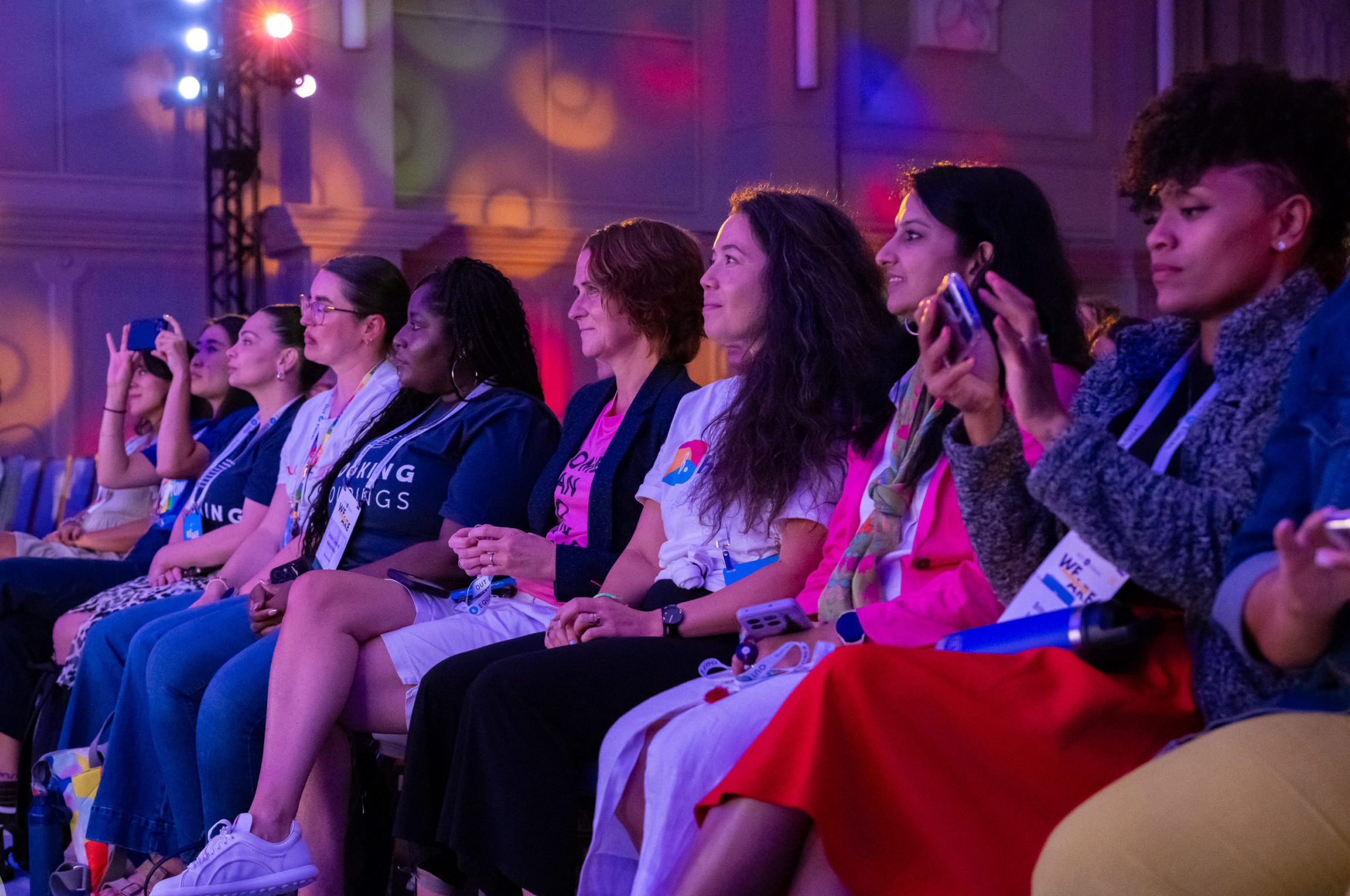
Knowing who is attending, what motivates them, and how they prefer to engage helps shape everything that follows. While experienced event partners can bring valuable insight from past events and audience behavior, planners who prioritize attendee needs early are better equipped to guide internal conversations and make informed decisions throughout the planning process. 

Many corporate events need to engage multiple generations at once, each with different expectations and learning styles. Resources like the Encore quick-start guide, Today’s Formula for Audience Engagement, can help planners better understand those differences. The guide emphasizes that meaningful engagement happens when participants feel “cared for, connected, coached, encouraged to contribute and celebrated.” It also offers ideas for tailoring engagement approaches across generations. 


Great events begin with knowing who’s in the room, what motivates them and how they prefer to engage. That insight helps planners shape smarter conversations and better decisions from day one.

Place Anchors the Experience

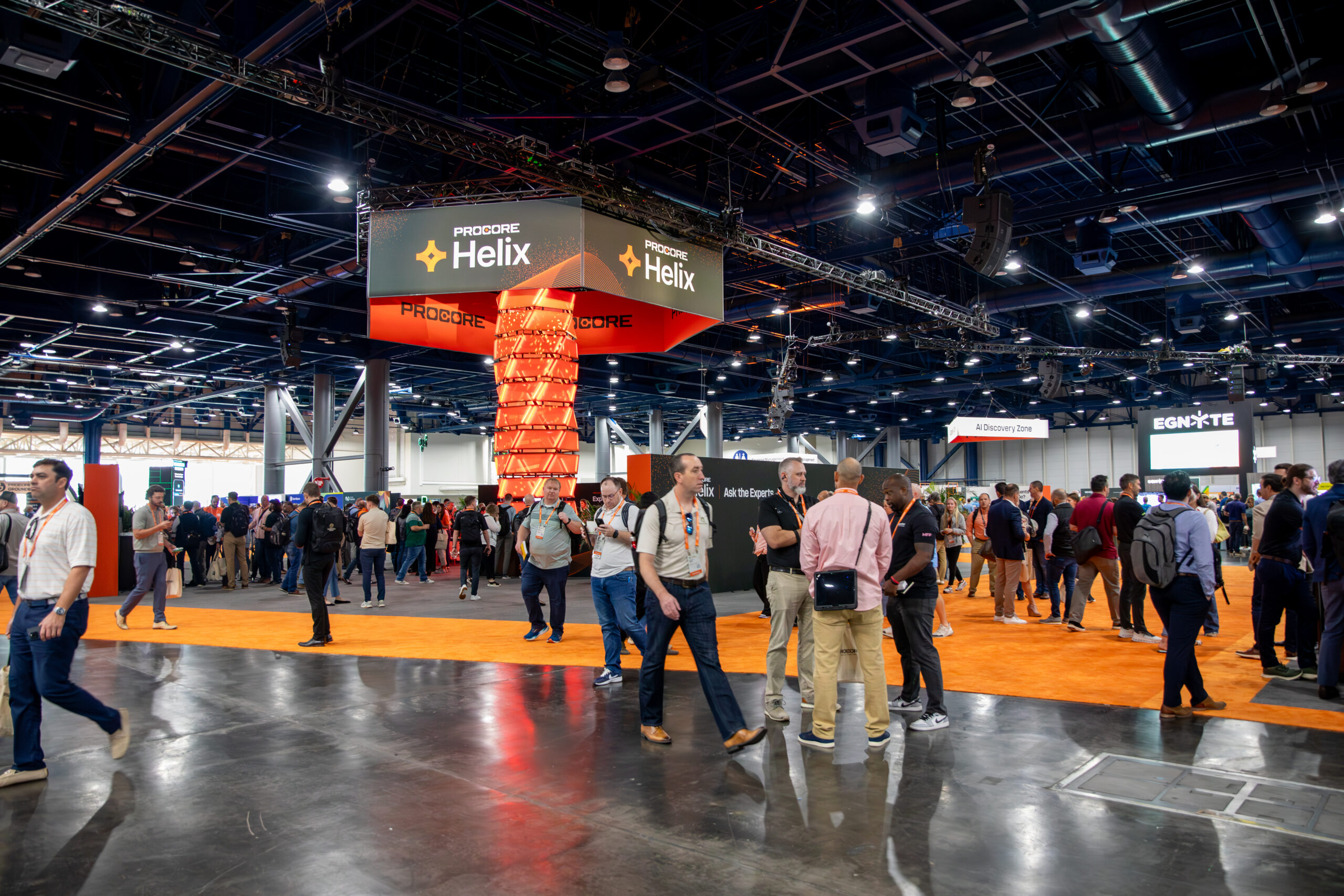
Creating a sense of place at your event allows attendees to tune in and feel connected to the experience. Spatial design plays a critical role in shaping how attendees engage, learn, and interact with both the content and each other. One effective approach is creating a central hub on the show floor, a focal point from which activity flows and to which it naturally returns. This central space can anchor the experience, serving as a gathering place, orientation point, or shared moment throughout the event. 

Designing the attendee journey around a centralized hub helps reinforce key messaging and objectives by giving them a physical home within the environment. Surrounding spaces can then support different engagement needs, whether that’s focused learning, small-group discussion, or casual networking. When spatial design aligns with how attendees prefer to move and interact, it removes friction and allows the experience to unfold more naturally. 


A custom hub at the center of the trade show floor created a focal point with its height, bright colors, and motion graphic animations. It also highlighted our customer’s main product launch that drove the theme and educational components of the conference.

Purpose Keeps Everything in Focus

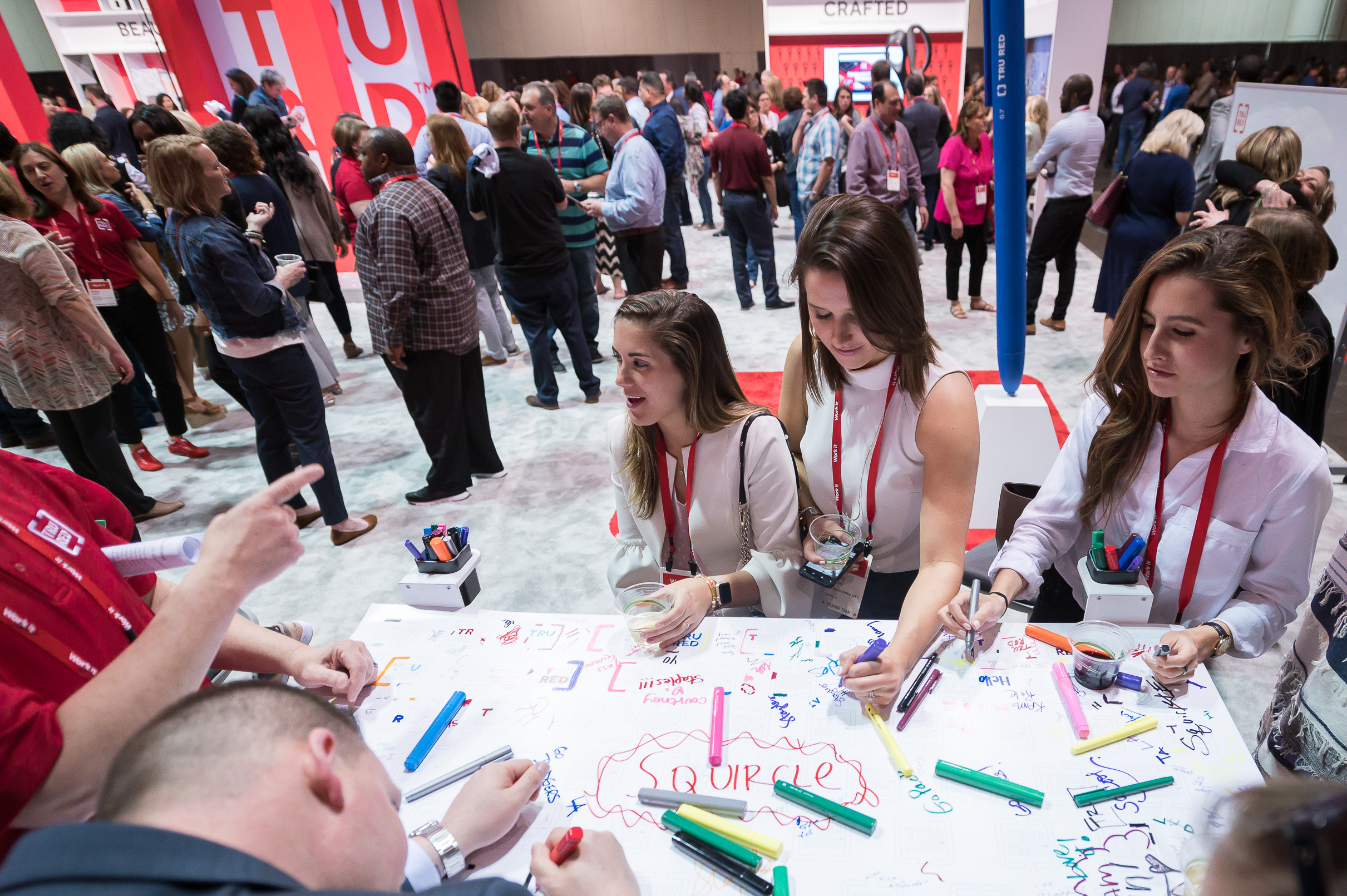
Engagement is most effective when it’s intentional. Not every moment needs to be interactive, but well-placed engagement touchpoints can significantly elevate the overall experience. These moments might invite participation, encourage conversation, or simply give attendees time and space to reflect and connect. 

Purposeful engagement touchpoints are designed to support the flow of the event, not interrupt it. They may appear as facilitated discussions, opportunities for feedback, shared experiences within the central hub, or moments of pause that allow attendees to process what they’ve just heard. When engagement feels relevant and thoughtfully timed, it helps audiences stay present and invested without feeling fatigued. 


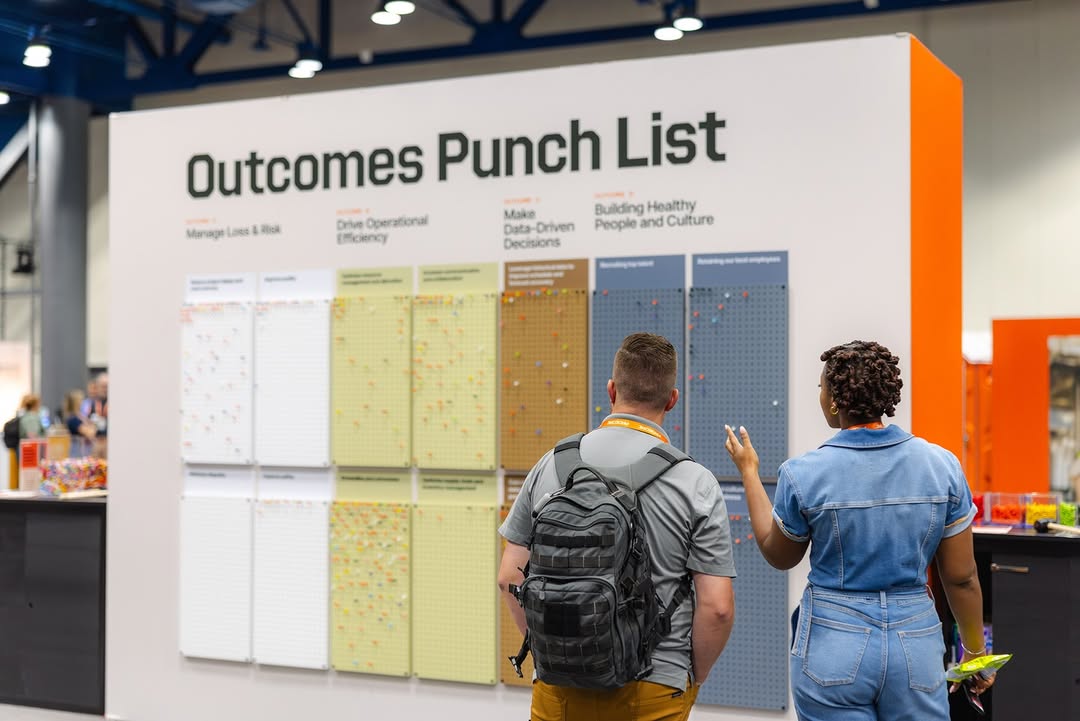
Purposeful engagement touchpoints like this trade show activation drive connection among attendees and create a unique, visual way to collect attendee data and insights.

By approaching event planning more strategically through the simplified lens of people, place, and purpose, planners can move beyond logistics and design experiences that feel intentional, engaging, and connected from start to finish. When strategic insights guide decisions, corporate events become easier to follow, and far more effective. With thoughtful planning and the expertise of a trust event production partner, engagement stops being something you hope for and becomes something you design for.

Looking to create high-impact corporate events?

Let’s connect.